When it comes to moving soil, loading gravel, clearing snow, or running attachment tools, contractors face one of the most classic debates in the heavy equipment industry: Wheel Loader vs. Skid Steer Loader. While both machines carry materials and lift buckets, their chassis designs, steering mechanics, and operating systems are completely different.
Choosing the wrong platform can result in excessive tire wear, poor cycle times, or structural site damage. Here is a practical breakdown to help you match the right machine to your daily jobsites.
1. Maneuverability & Site Impact
The core difference between these two machines lies in how they steer:
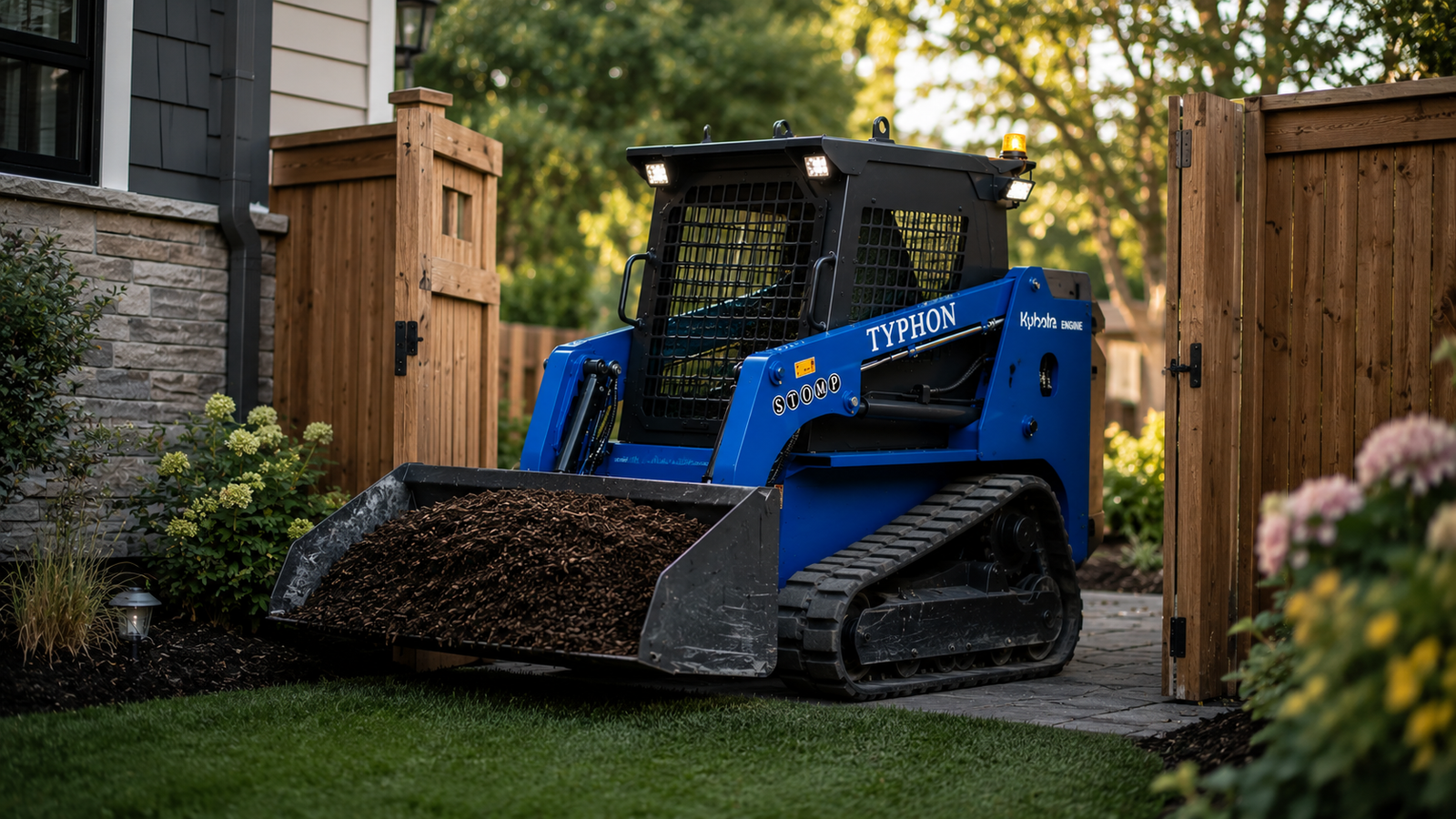
- Skid Steers: Steer by locking one side of the machine while driving the other, allowing them to spin 360 degrees inside their own footprint (zero-radius turning). This makes them incredibly nimble for tight residential backyards, crowded demolition yards, and narrow alleyways. However, this skidding action tears up turf, scars asphalt, and wears down rubber tires rapidly.
- Wheel Loaders: Utilize an articulated frame that pivots in the center. This allows them to turn without skidding the tires, leaving turf intact and virtually eliminating tire wear on hard asphalt or gravel. However, their turning radius is wider, requiring more operating space to maneuver.
2. Loading Cycle Times & Traveling Speed
If your primary job is scoop-and-carry or loading dump trucks, a compact wheel loader is hard to beat:
- Speed: Compact wheel loaders typically travel at speeds of 12 to 20 mph, whereas skid steers are limited to 7 to 12 mph. If you need to move material across a large commercial site, subdivision, or farm, the loader will complete cycles twice as fast.
- Lifting Profile: Wheel loaders feature a central linkage and elevated cab that makes dumping into high-sided tandem dump trucks easy. Skid steers sit lower, making truck loading a slower, more deliberate process.
3. Operating Costs & Fuel Efficiency
For fleet managers, the total cost of ownership (TCO) is a major deciding factor:
- Fuel Consumption: An articulated wheel loader is highly efficient, often burning 30% to 50% less fuel than a skid steer of equal horsepower because it doesn't have to fight constant steering friction.
- Tire Longevity: A set of skid steer tires may only last 300 to 500 hours on hard concrete due to constant skidding. In contrast, wheel loader tires regularly last 1,500 to 2,000+ hours because they roll smoothly during articulation.
4. Attachment Versatility
If you need one machine to dig trenches today, sweep streets tomorrow, and grind stumps next week, the skid steer is the clear winner. The skid steer universal quick-attach plate and high auxiliary hydraulic systems support an endless array of attachment tools—including augers, trenchers, sweepers, cold planers, brush cutters, and dozer blades.
Wheel loaders are typically optimized for buckets, forks, and grapples, making them dedicated loading and material handling specialists.
5. Operator Ergonomics & Visibility
Operating heavy equipment for 8 hours can take a toll on the body:
- Wheel Loaders: Feature elevated cabs with glass on all four sides. The operator sits high above the loader arms, providing a clear, unobstructed 360-degree view of the jobsite and obstacles. Entry is easy through a standard side door.
- Skid Steers: The operator sits low inside a cage surrounded by loader arms. Visibility to the sides and rear is heavily restricted, especially when the loader arms are raised. Entering requires climbing over the front bucket, which can be slippery and difficult in wet or muddy conditions.
Machinery Comparison Matrix
| Feature | Skid Steer Loader | Compact Wheel Loader |
|---|---|---|
| Turning Radius | Zero-Radius (Spins in place) | Medium (Articulated center) |
| Surface Damage | High (Tears up grass/turf) | Low (Rolls smoothly, no scuffing) |
| Traveling Speed | Slow (7 - 12 mph) | Fast (12 - 20 mph) |
| Tire Lifespan | 300 - 500 Operating Hours | 1,500 - 2,000+ Operating Hours |
| Fuel Efficiency | Moderate (High steering drag) | Excellent (Low rolling resistance) |
| Visibility | Restricted (Low cab, side arms) | Superb (Elevated 360-degree glass) |
Final Decision Guide
Choose a Skid Steer if you work in extremely confined spaces, need to change between many specialized attachments, and regularly work on soft dirt where tire wear is less of a factor.
Choose a Wheel Loader if your work is centered on bulk material loading, carrying gravel across large sites, working on finished turf or concrete, and you want to minimize ongoing fuel and tire replacement costs.
Need help turning this research into a real quote request?
Send the machine category, intended use, or product name to the KUVUO team and we can help you take the next step.
Contact KUVUO