Weight is the first spec most buyers check when comparing road rollers, and it's easy to assume that two machines with similar operating weight will compact ground the same way. In practice, they often don't. One roller can deliver dense, uniform results while another of nearly identical weight leaves inconsistent compaction behind. The reason is that weight is only one part of a much larger picture.
Real compaction performance comes from how a machine applies force, how its drum transfers that force into the ground, and how well its systems hold steady under load. This guide breaks down the five factors that explain why similar-weight rollers can perform so differently. Understanding them helps you look past a single number and choose a machine that actually delivers on your jobsite.
Vibration Force Makes a Difference
Two rollers can weigh the same and still compact very differently because of how much vibration force each one generates. Static weight presses down on the material, but vibration force does the deeper work of settling and densifying it. A machine that produces higher or better-matched vibration output can compact certain materials far more effectively than a similar-weight machine with weaker vibration, even though both apply the same dead load to the surface.
This matters because vibration multiplies the effect of the machine's weight. The rapid force generated inside the drum drives energy into the material, rearranging particles and pushing out air far more efficiently than weight alone. When that vibration force is strong and well-suited to the job, the roller achieves greater density with fewer passes, which saves time and produces a more stable result.
The relationship between vibration force and material is not simply "more is better," though. The output has to fit what you're compacting.
- Deep soil layers often benefit from higher vibration force to reach and densify material below the surface
- Thin asphalt lifts call for controlled, well-matched force to avoid over-compacting or damaging the surface
- Granular fill and aggregate respond well to strong vibration that locks particles tightly together
A machine with vibration force matched to your typical material will consistently outperform a similar-weight machine whose output is too weak or poorly suited to the work. This is one of the clearest reasons why identical weight figures can produce very different compaction on the ground.
Drum Design Affects Compaction
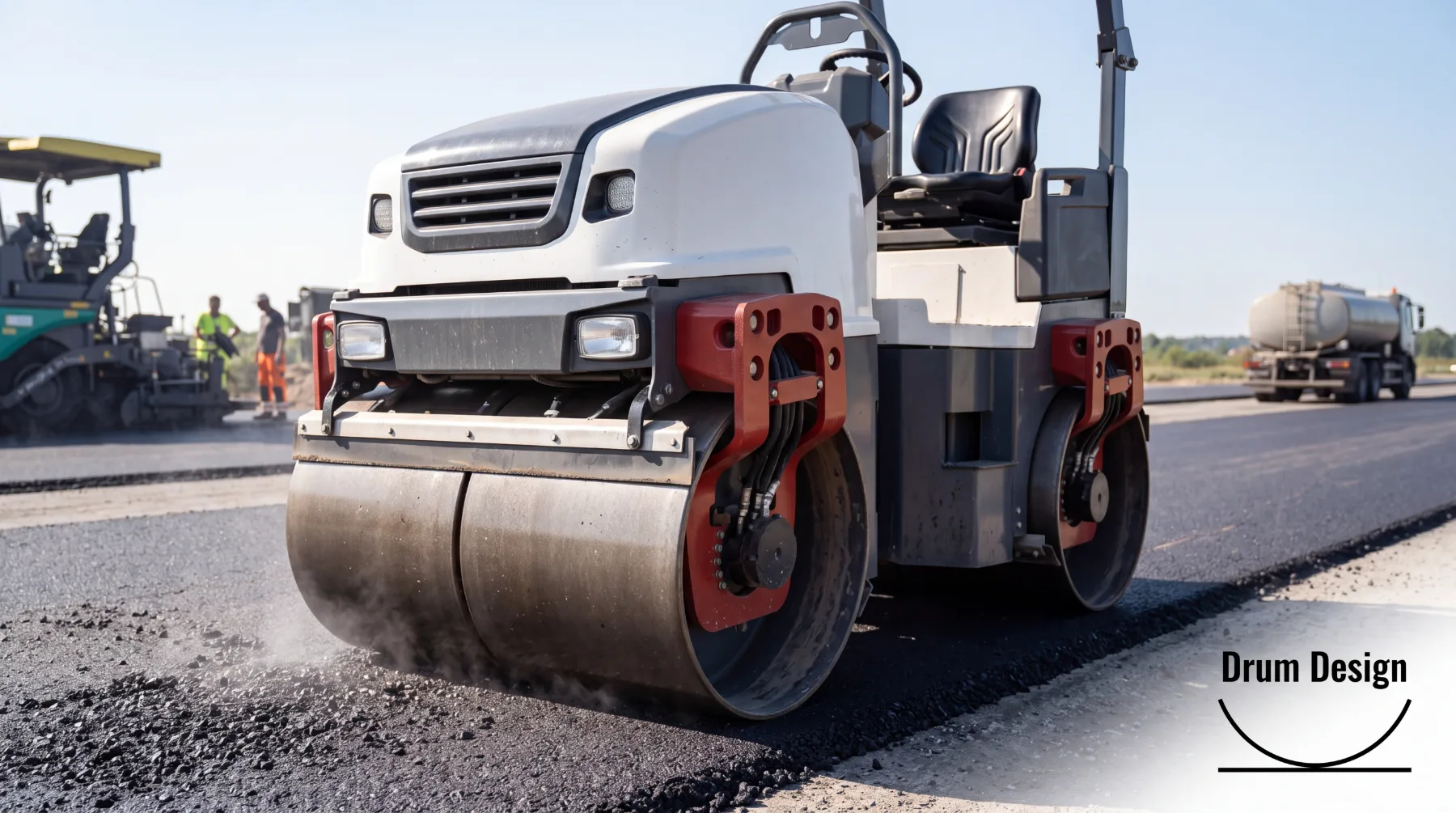
Drum design is another major factor that separates two rollers of similar weight. The drum is the point where the machine meets the material, so its width, diameter, and configuration directly shape how force transfers into the ground. Two machines can carry the same weight yet spread and apply that weight very differently depending on how their drums are built, which leads to real differences in coverage and compaction depth.
Drum width and diameter influence how the load is distributed across the surface. A wider drum covers more ground with each pass, which can speed up work across large areas. A narrower drum concentrates the machine's force over a smaller footprint, which can drive that force deeper into the material. Diameter plays its own role, affecting how the drum rides over and presses into the surface. These dimensions determine whether a roller favors broad coverage or focused, deeper compaction.
Configuration matters just as much as raw dimensions. Consider how different setups change the result:
- Smooth drums deliver even pressure and suit asphalt and granular materials
- Padfoot or sheepsfoot drums concentrate force into the material, working deeper into cohesive soils like clay
- Single versus dual drum arrangements affect coverage, balance, and how force is applied across the machine
Because of these differences, two rollers with matching weight can be built for entirely different tasks. One might be configured for shallow, wide finishing work while the other is built to drive force deep into dense soil. When you understand a roller's drum design, you can see past the weight figure and judge whether the machine actually fits the coverage and depth your job requires.
Frequency and Amplitude Matter
Beyond how much force a roller produces, how that force is delivered plays a decisive role in compaction. This comes down to two vibration characteristics: frequency and amplitude. Frequency is how many times the drum vibrates per minute, while amplitude is how far the drum moves with each vibration. Together, they determine how the drum interacts with the material, and the right combination can mean the difference between effective compaction and disappointing results, even between two machines of similar weight.
Frequency and amplitude serve different purposes, and matching them to the material is what drives good compaction. High amplitude delivers powerful, deep-reaching force that suits thick lifts and dense soils, pushing energy well below the surface. Low amplitude paired with higher frequency delivers gentler, more rapid impacts that suit thinner layers and finishing work, building density near the surface without disturbing it. A machine set up for the wrong combination can leave material under-compacted or, in the case of asphalt, over-worked and damaged.
This is why two rollers with the same weight can behave so differently. If one machine offers frequency and amplitude settings well-suited to your material and the other doesn't, their results will diverge regardless of the number on the spec sheet. Some rollers offer adjustable amplitude, letting operators tune the machine to different materials and layer thicknesses across a project. That flexibility can make a single machine perform well across varied conditions. When you evaluate a roller, look closely at its frequency and amplitude range, because these settings often explain compaction differences that weight alone never could.
Engine and Hydraulic Performance
A roller's ability to compact well depends on more than its physical specs. It also depends on whether the machine can sustain those specs under real working load, and that comes down to engine and hydraulic performance. The engine and hydraulic system work together to maintain consistent driving and vibration output throughout a shift. When these systems fall short, compaction quality suffers, which is why two similar-weight rollers with different powertrains can produce very different results.
The challenge is that a roller must power two demands at once: moving the machine across the ground and driving the vibration system. Both draw on the engine at the same time, and the hydraulic system distributes that power to each function. If the engine lacks the reserves to handle both under load, or if the hydraulics can't maintain steady pressure and flow, the machine can't hold consistent output. The result is uneven compaction as travel speed or vibration force fluctuates during the work.
Several conditions expose weaknesses in these systems:
- Climbing slopes while maintaining full vibration force demands substantial sustained power
- Working dense material that resists compaction places heavy, continuous load on both systems
- Long working stretches require dependable performance that doesn't fade over the shift
A roller with a well-matched engine and efficient hydraulics holds steady through these demands, delivering uniform travel and consistent vibration force. A machine that struggles to maintain output under load produces inconsistent density and weak spots. This is why powertrain quality, not just weight, is central to dependable compaction performance.
Ground Conditions Change the Results
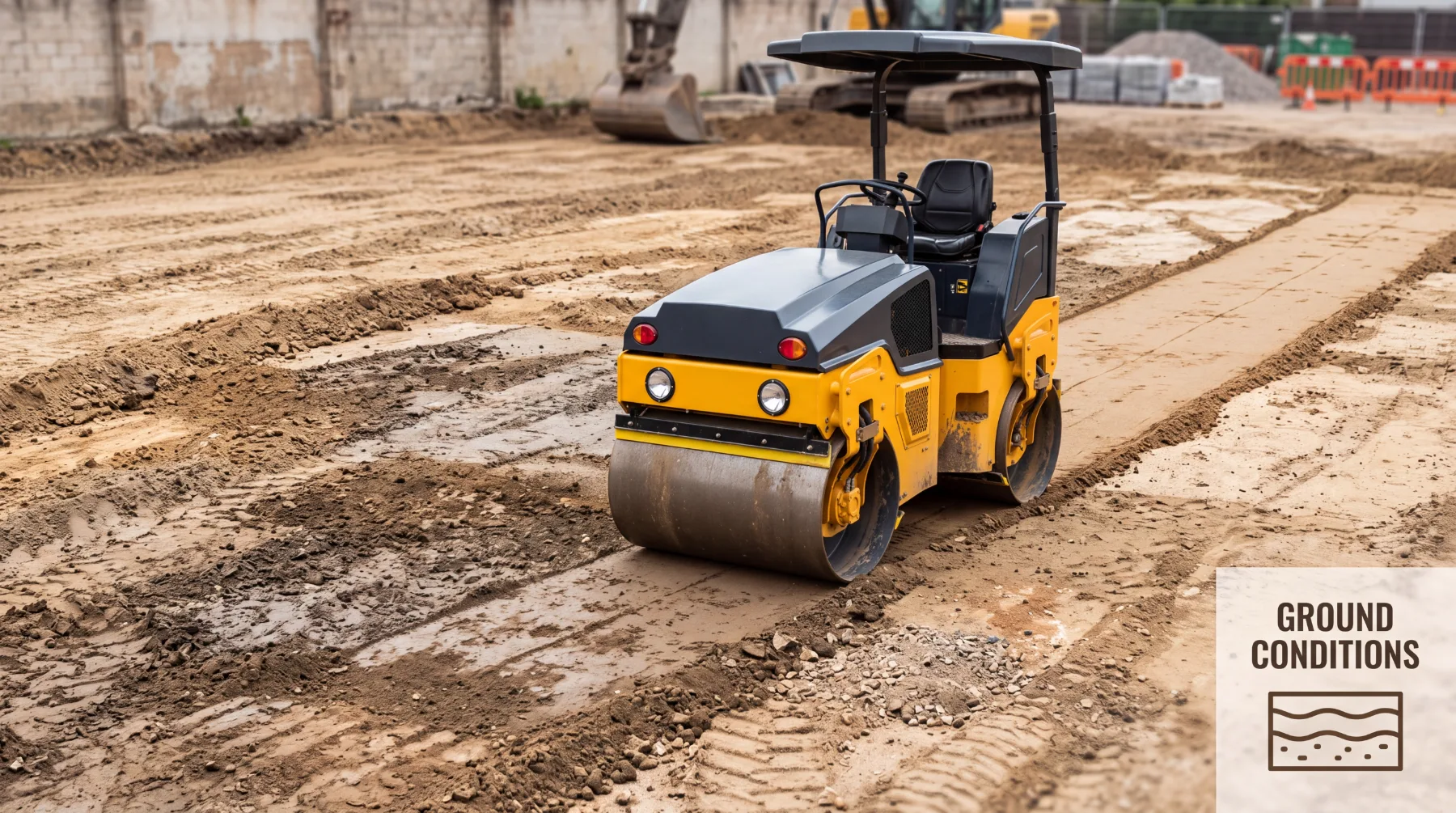
Even with everything else equal, the ground itself has an enormous influence on compaction, and it helps explain why two similar rollers can produce different outcomes. Soil type, moisture content, layer thickness, and the number of passes all shape the final result. A machine that performs beautifully in one condition may struggle in another, so the material and how it's worked matter as much as the machine's specifications.
Each of these factors carries real weight in the final density achieved:
- Soil type determines how material responds, since cohesive clays and granular sands compact very differently
- Moisture content strongly affects results, as material that is too dry or too wet resists proper compaction
- Layer thickness influences how deeply force must reach, with thick lifts demanding more energy to densify fully
- Number of passes builds density progressively, and too few passes leaves material short of target compaction
Because these conditions vary so much, the way a roller's settings match the material becomes decisive. Two machines with similar weight can produce different results simply because one is set up more suitably for the soil and moisture at hand. A roller with vibration force, frequency, and amplitude tuned to the material will compact it effectively, while a similar machine with poorly matched settings will fall short even under the same conditions.
This is where operator knowledge and machine flexibility come together. Understanding the ground and adjusting the machine to suit it, then compacting with the right number of passes, produces consistent density. When you account for ground conditions and match your roller's capabilities to them, you get dependable results that weight alone could never guarantee.
Conclusion
Operating weight is a useful starting point, but it never tells the whole story of a road roller's compaction performance. Vibration force, drum design, frequency and amplitude, engine and hydraulic performance, and the ground conditions on your site all combine to determine how well a machine actually densifies material. Two rollers can share the same weight and still deliver very different results, because these factors shape how force is generated, transferred, sustained, and matched to the job.
The practical lesson is to look past the weight figure and evaluate the complete picture. Consider the material you compact most often, the layer thicknesses you work with, the terrain you face, and whether a machine's vibration output and settings suit those demands. Then choose a roller built to handle your genuine conditions. When you match the machine's full range of capabilities to your work, you achieve consistent, dependable compaction and lasting value, rather than relying on a single specification that only tells part of the story.
Frequently Asked Questions
1. If two rollers weigh the same, why don't they compact the same way?
Operating weight is only one contributor to compaction. How a roller applies force matters far more, and that depends on vibration force, drum design, and the frequency and amplitude of the vibration. It also depends on whether the machine's engine and hydraulics can sustain steady output under load, and how well its settings match the material being compacted. Two machines with identical weight can generate different vibration force, spread that force differently through their drums, or be tuned for different materials. All of these factors combine to produce noticeably different results, which is why weight alone is an unreliable measure of compaction performance.
2. What is the difference between vibration frequency and amplitude?
Frequency is how many times the drum vibrates per minute, while amplitude is how far the drum moves with each vibration. They serve different purposes. High amplitude delivers powerful, deep-reaching force that suits thick lifts and dense soils, driving energy well below the surface. Low amplitude combined with higher frequency delivers gentler, more rapid impacts suited to thinner layers and finishing work, building density near the surface without disturbing it. Matching the right combination to your material is essential, since the wrong setup can leave material under-compacted or, with asphalt, over-worked and damaged. Some rollers offer adjustable amplitude, letting operators tune the machine to different conditions.
3. How does drum design affect compaction results?
The drum is where the machine transfers force into the ground, so its width, diameter, and configuration shape both coverage and compaction depth. A wider drum covers more ground per pass, while a narrower drum concentrates force over a smaller area to drive it deeper. Configuration matters too: smooth drums deliver even pressure suited to asphalt and granular material, while padfoot or sheepsfoot drums concentrate force into cohesive soils like clay. Because of these differences, two similar-weight rollers can be built for entirely different tasks. Understanding a roller's drum design helps you judge whether it fits the coverage and depth your specific work requires.
4. Why do engine and hydraulic systems affect compaction quality?
A road roller must power two demands at once: moving the machine and driving the vibration system. Both draw on the engine simultaneously, and the hydraulic system distributes that power to each function. If the engine lacks sufficient reserves or the hydraulics can't maintain steady pressure and flow under load, the machine can't hold consistent output. This causes travel speed or vibration force to fluctuate, producing uneven compaction and weak spots. Demanding conditions like climbing slopes, working dense material, or long continuous shifts expose these weaknesses. A roller with a well-matched engine and efficient hydraulics holds steady output, which is essential for uniform, dependable compaction.
5. How much do ground conditions influence final compaction?
Ground conditions have an enormous effect on the result. Soil type determines how material responds, since clays and sands behave very differently. Moisture content is critical, because material that is too dry or too wet resists proper compaction. Layer thickness affects how deeply force must reach, and the number of passes builds density progressively toward the target. Because these conditions vary so much, how well a roller's settings match the material becomes decisive. Two similar machines can produce different results simply because one is set up more suitably for the soil and moisture present. Matching your roller's capabilities and pass count to the ground delivers consistent density.
Need help turning this research into a real quote request?
Send the machine category, intended use, or product name to the KUVUO team and we can help you take the next step.
Contact KUVUO